Weather and your home
Wildfire and rural home insurance in Oklahoma
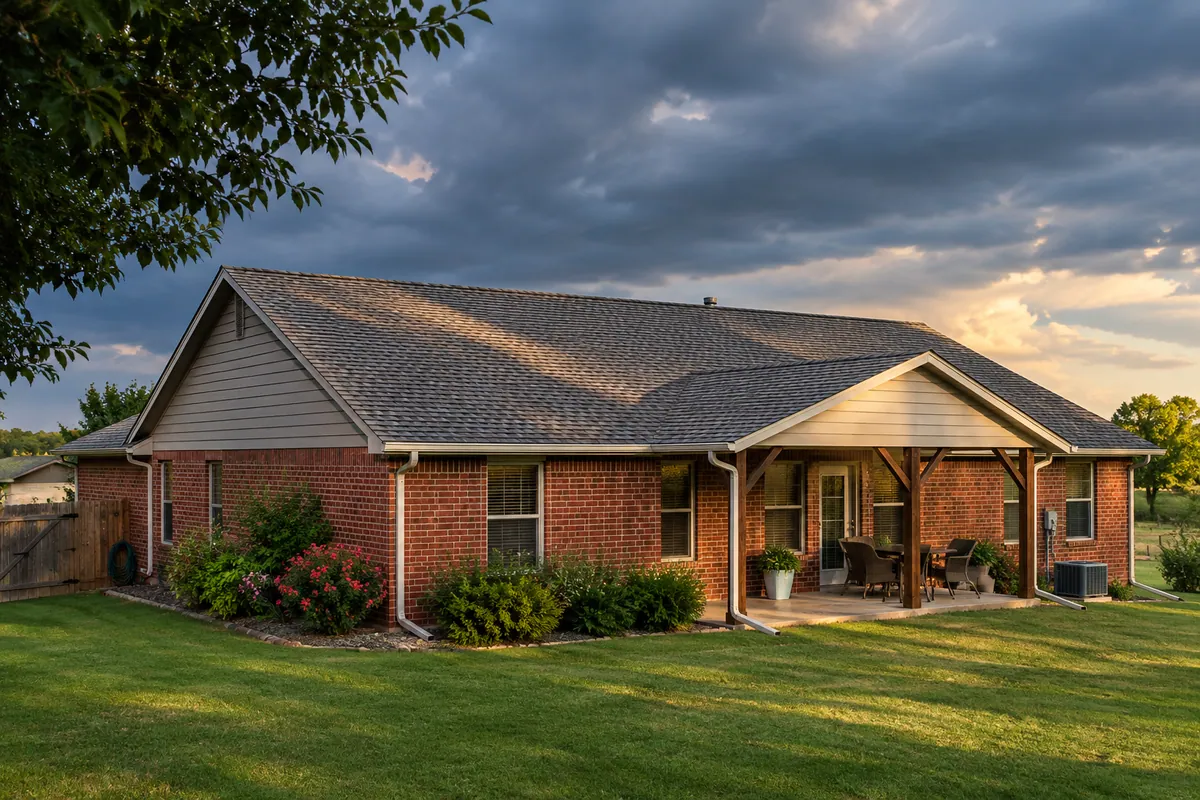
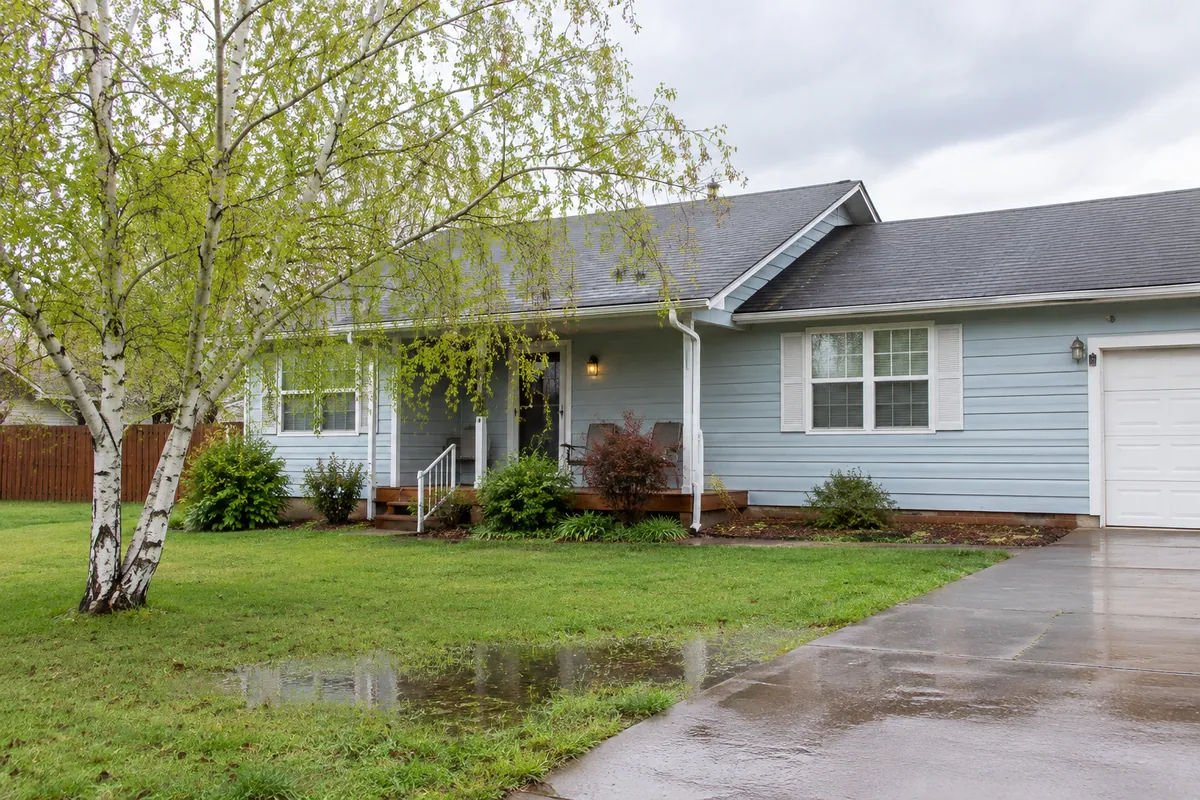
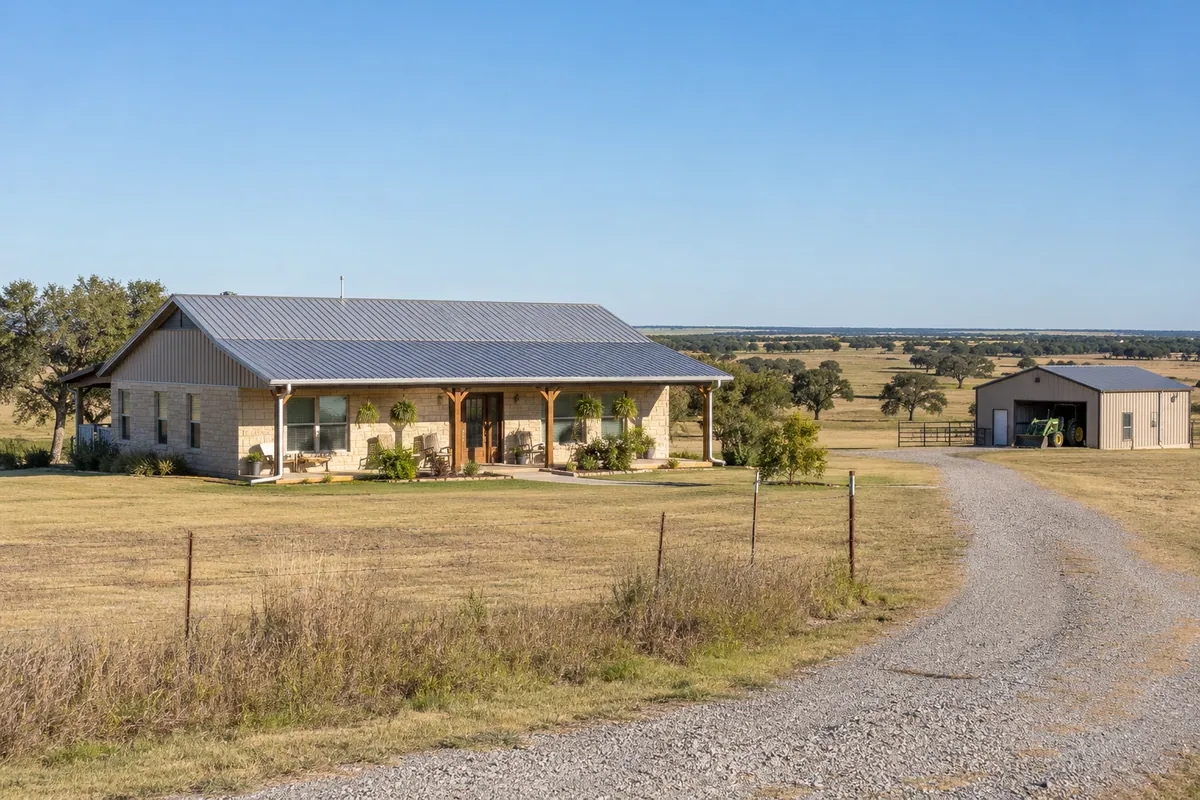
A house, barn and workshop may share an Oklahoma address without sharing the same insurance protection. A clear account of buildings, land use and fire access helps an insurer assess your property.
Request a quote for your Oklahoma home
The short answer
A rural location alone does not mean an Oklahoma home is uninsurable. Confirm which fire department serves the address, describe every structure and disclose personal, farm and business uses. An insurer can then assess the property accurately. Farm or business operations may require coverage beyond an ordinary homeowners policy.
- Confirm the responding fire department and available water supply, then let the insurer verify the property’s fire protection classification.
- List each barn, shop and detached dwelling with its use and value so proposed limits can be checked.
- Defensible space and property improvements can support an application, but each insurer decides which risks and terms it accepts.
On this page
How to describe a rural property to an insurer
Imagine giving directions to someone seeing your home for the first time. They turn off a county road, enter a gate, pass a detached shop, cross a narrow culvert and reach the house. A second driveway serves a relative's manufactured home behind yours. That description raises useful questions about access, addresses and separate buildings that a listing with acreage and bedroom count cannot answer. Put the house, drives, outbuildings and any other residences on one simple sketch.
Identify the physical location separately from the mailing address. An Oklahoma town printed on a bill does not necessarily tell an insurer which department first responds or how far a truck has to travel. If a gate faces a different road than the mailing address suggests, explain where responders enter. If the property's emergency address changed, provide the updated address and a map pin for the house through the agent's secure process. Avoid circulating gate codes or directions to private hazards by ordinary group email.
Complete the description with everyday use. State who lives there, whether it is a primary or seasonal residence, which buildings another person uses, whether goods are sold and whether visitors pay to enter. Give dates for anticipated changes such as leasing a pasture or opening a woodworking shop. A short, accurate description is easier to underwrite than a reassuring label like “just a hobby” that leaves basic ownership and liability questions unanswered.
Fire protection class and your responding department
The Oklahoma Insurance Department describes a Public Protection Classification program that evaluates public fire protection. The community evaluation takes into account resources including fire departments, water supplies and emergency communications. The assigned classification is useful to insurers. It is distinct from the condition of your roof, the grass around your home or the likelihood that a particular fire will reach it. A good community classification does not resolve all the concerns facing a particular building.
Ask the local fire department through its nonemergency channel to identify the responding district and station for your address. Explain that you are preparing an insurance application. A station across the county line can look close on a map while another station is assigned to the address. Give the agent the department's contact information and any service-area confirmation it supplies. Let the insurer determine which classification applies under its rating rules.
If a question asks for distance, establish what is being measured. A straight line to the station, a drivable route to the gate and the distance from the usable water source to the house represent different things. A creek crossing or locked rear access can make a satellite image misleading. Document the route that an apparatus could actually use and label an estimate as an estimate. You can request a correction if the insurer's address lookup places the house at the wrong entrance.
Water supply and fire truck access
Some rural properties have a hydrant along the road. Others have a well, storage tank, pond or water supplied by responding trucks. List what physically exists, who owns it, whether it functions year-round and whether the responding department recognizes it as usable for firefighting. An irrigation pond may be inaccessible from the road, frozen, dry in summer or behind a locked gate. Its presence in a photograph does not establish that it qualifies as a fire protection resource.
On the access sketch, mark tight turns, gate width, overhead obstructions and the turnaround near the home. Note a private bridge or culvert and whether you have any documentation about the load it can support. Discuss access with the fire department if you are uncertain. Never represent a bridge as rated for emergency vehicles because a delivery truck crossed it. Let the department and qualified professionals identify the information they need to evaluate it.
Include visible changes in the material you return to the agent. Photographs taken after brush was cut away from the entrance, a house number made legible from the road or a turnaround opened up can show completed work. Ask the reviewer whether any remaining concern relates to the driveway, water supply, vegetation or another factor. Those are separate problems with different costs to address. Do not start a major construction project on the strength of a guess about eligibility.
Defensible space in the 5-, 30- and 100-foot zones
Oklahoma State University Extension describes embers and small flames as important pathways by which homes ignite. A rural home can face a grass fire moving through open country or embers reaching the building from elsewhere. Begin the property review at the house itself. Look for leaves collected in roof valleys, dry material under the porch or firewood stacked against siding. A cleared pasture in the distance tells a reviewer little about combustible material next to the front steps.
In its Oklahoma planting guidance, Extension describes an immediate area from the building to five feet, followed by areas out to thirty feet and then one hundred feet. Use those distances as a way to organize photographs and conversations about the site. An owner's control may stop at a property boundary, and the terrain around an outbuilding can differ from the terrain around the house. A planning distance in Extension guidance is not a promise of insurance eligibility or a universal policy requirement.
When documenting maintenance, show the surface below decks, the area around sheds and the condition of gutters and vents where safe to photograph. Explain whether the work is complete or scheduled. A written bid to remove vegetation remains a plan until the contractor finishes. If work requires going onto the roof, using power equipment or working around utilities, use appropriately qualified help. For active fire or evacuation conditions, follow emergency officials and prioritize leaving safely over collecting photographs.
Building a schedule of barns, shops and outbuildings
Start one line per structure. List its use, approximate size, construction, roof material, age, condition, utilities and the person or entity that owns it. Describe the detached garage as a detached garage even when the household calls it the barn. Identify the building with hay storage and the workshop with welding equipment separately. A single total for all improvements provides no way to tell whether a quote includes the building most valuable to your household.
For each structure, ask how it would be insured and how a covered loss would be valued. A home policy's allowance for other structures can have exclusions tied to farming, business use or renting. Some arrangements may require a building to be specifically scheduled. A schedule might show a dollar amount per building, or coverage could share one limit. Request the proposed wording and compare the limit with the cost of repairing or replacing the building for its intended use.
| Building or feature | Question for the quote |
|---|---|
| Detached workshop | Is the building included while tools are used for paid work? What insures the tools? |
| Horse barn | Does the description include stalls and fixed equipment? Who owns the animals kept there? |
| Guest dwelling | Who may live or stay there, and does the coverage apply to the building and its furnishings? |
| Boundary fencing | Which sections, causes of loss, limits and settlement terms appear in the proposed contract? |
When acreage needs farm coverage
Consider two Oklahoma households living on ten acres. One keeps a mower and a family's bicycles in a detached building. The other uses an identical building to store a neighbor's hay for a fee, repair machinery for paying customers and board horses on weekends. The buildings may have the same materials and replacement cost. What happens inside them affects both property and liability questions. Acreage by itself is a poor substitute for the description an underwriter needs.
The Oklahoma Insurance Department publishes sample policy forms. One farm form in its library illustrates how residential other structures can have a farming or business-use exclusion while separate farm property provisions address selected items. This is an example of contract design. An insurer offering another form may take a different approach. Ask the quoting agent to identify the exact part that covers the barn and the exact part that covers property inside. Each answer should point to a limit and a relevant form.
Keep tools, equipment and stock on separate inventory lines. A household mower, compact tractor used on neighboring land, trailer titled to a business and goods awaiting shipment need individual descriptions. Include ownership, principal use, where each is kept and whether it travels off the property. If someone else's equipment is stored in your barn, clarify whether you promised to insure it under a lease or other agreement. Give that agreement to a qualified adviser when your obligations are unclear.
Liability for visitors, livestock and leased pasture
Property insurance questions concern damage to things such as the house, barn or tools. Liability questions concern an allegation that someone was harmed or that you damaged someone else's property. A fire destroying a building and a visitor injured in that same location raise different issues. List the visitors you expect, the reason for their visits and any fees or services exchanged. Include activities that happen only during part of the year.
Consider a homeowner who lets a neighbor graze cattle in exchange for maintaining pasture fencing. No money changes hands, but someone else's animals are regularly on the land and there is an arrangement about the fence. Give the insurer the actual arrangement. Ask how premises liability, livestock, damage to property in your care and any contractual obligations are addressed. A written lease, if one exists, gives a reviewer a clearer picture than the phrase “a neighbor helps out.”
A separate business entity can complicate matters. A family member may own the residence while a limited liability company owns equipment or leases the shop. Check which names appear on the deed, equipment paperwork and proposed policy and ask how each relevant interest is addressed. Do not assume that naming a person automatically protects their business. If an activity grows from occasional use into a regular operation, tell the insurer before relying on the old description at renewal.
What a wildfire costs beyond rebuilding the house
The residential dwelling limit should reflect the cost of rebuilding the home. A recent appraisal of acreage with a house and pond combines land, location and improvements into a market figure that does not isolate that cost. Describe the house's materials, size, foundation and special features. Mention restrictions on contractor access or delivery that could affect repairs. Then examine limits for the detached buildings individually. Expensive equipment in a modest shed can matter more to the household than the cost of the structure.
A wildfire can create costs outside the main repair estimate. Ask about debris removal, reasonable costs to protect covered property, additional living expenses and limits affecting trees, landscaping, fences and other outdoor property. If smoke affects the interior without flames reaching the house, document the observed condition and ask the insurer to evaluate the loss under the actual wording. Do not assume that every odor, residue or cleaning proposal will receive the same treatment.
An evacuation raises its own questions. The reason the home cannot be occupied, whether a civil authority issued an order, damage at the residence or nearby, and the time away can matter. Keep official notices, lodging invoices and a record of ordinary household spending. Expenses for people and expenses for boarding animals may be treated differently. Ask where those costs belong before budgeting around reimbursement. Have a practical plan for temporary housing and for animals even if the policy contribution is uncertain.
Comparing two quotes for the same acreage
Suppose a homeowner receives a quote that covers the house and sets aside $35,000 for eligible other structures. The property includes a personal garage estimated at $25,000 to rebuild and a pole barn estimated at $50,000. The owner assumes the allowance would pay the first $35,000 of a barn loss. Before doing that arithmetic, the owner needs to find out whether a barn used to store hay for sale qualifies under that provision at all. Increasing the amount can leave the same gap when the underlying use is excluded.
A second proposal might list the pole barn by description and limit. Compare the building limit, valuation and causes of loss with the first proposal, then turn to the hay itself. The fact that a fire damages a scheduled building does not mean the same limit covers everything that was in it. Ask about seasonal amounts of stored product, records needed to establish quantities and the treatment of someone else's goods. Keep the dwelling comparison separate so you can see the full effect of switching.
This exercise can change your priorities. You might decide a smaller storage building could be replaced gradually, while losing the barn during the feeding season would interrupt a real source of income. Tell the agent which loss would put the household under the most immediate pressure. Where an offer leaves that exposure uninsured, record the gap and the cost of addressing it separately before making a decision.
What to send an underwriter for a rural home quote
Start with one page summarizing the address, occupancy, structures, operations, responding department and water source. Add a property sketch, dated photographs and any recent inspection or renovation records. Include prior loss details and identify repairs already finished. If a prior insurer mentioned a specific concern, include the actual notice through an appropriate channel. A new reviewer can then tell whether the obstacle is the type of use, distance from fire protection, building condition or something else.
For a question that cannot yet be answered, name the missing fact and who can verify it. For example, write that the closest hydrant appears on a neighboring road and the water district is checking whether it serves the address. That is more credible than giving a precise distance to a hydrant you have never seen. If the company requests clearance work, ask for the scope, due date and evidence it accepts. Obtain written confirmation of any terms contingent on the work.
Compare available admitted options first. If those options do not meet the need, a producer can explain whether a specialty placement is appropriate. Ask which entity would issue the policy, who handles claims and which structures or activities any offer excludes. A narrow offer that covers the dwelling while excluding the barn may still leave you needing another policy. Get the answer before paying a deposit or deciding whether to keep an existing policy.
Keeping records current as the property changes
A rural property rarely stands still. A family adds a pole barn, rents pasture for the summer, replaces a wood stove, starts selling eggs or allows a relative to move into a second structure. Update your building list when the event happens. Send material changes to the agent and ask for confirmation of any coverage adjustment and its effective date. An annual photo of a completed barn does little for a loss that happens while it is under construction.
Keep two copies of your insurance and inventory information, including one you can reach away from the property. Add serial numbers, receipts and photographs of the interior of useful buildings while they are accessible. If a loss occurs, an image showing where tools were normally stored can help you build an accurate inventory. Avoid sending detailed plans, valuable-item lists or access codes to multiple unfamiliar recipients to get an initial indication of price.
Before renewal, compare the insurer's property description with your current sketch. Verify the detached dwelling, building uses, fire department and insurance limits. Identify work proposed for next season separately from work already done.
Common questions
Does owning acreage mean I need farm insurance?
The answer depends on what you own, what happens on the land and how the proposed policy defines its scope. A residence on acreage with an unused pasture differs from a working operation with stored feed, animals, equipment or sales. Describe both personal and income-producing uses and ask what each offer includes.
Is the nearest fire station the one my insurer will use?
Confirm with the responding department or district and have the insurer verify its classification for the specific physical address. The nearest station on a map may be outside the service area or inaccessible by the shortest route. Mark where vehicles actually enter the property if the mailing address gives a misleading result.
Can a pond take the place of a hydrant for insurance?
Identify the water supply, its location and condition, then ask the fire department whether it recognizes or can use that source. Ask the insurer how it treats that information. A pond used for livestock or irrigation may present different access and reliability issues from a maintained supply recognized by the department.
Will my barn and tractor be covered if the house has wildfire coverage?
Look for a specific answer for both items. A barn raises questions about other structures, scheduled property and use. A tractor raises questions about equipment, ownership, where it operates and what work it performs. Check whether a limit applies to each and whether the policy covers the relevant cause of loss.
Do wildfire improvements guarantee an insurance offer?
Individual companies set underwriting criteria, and there can be other concerns at the same address. Ask what an underwriter wants to see and document the changes you make. Property maintenance can be worthwhile while a carrier still has restrictions based on location, response resources, condition or the way the buildings are used.
What if I only rent the shop to someone else?
Disclose the tenant, lease terms, work performed, stored materials and customer access. Ask about damage to the building and liability arising from its use, as well as any insurance the lease requires either party to carry. The tenant's policy and the owner's policy can protect different property and interests.
Sources and further reading
- Oklahoma Insurance Department, Fire Protection Services DivisionCommunity fire protection classification and factors evaluated, including water supply and fire department resources.
- Oklahoma State University Extension, Firewise plantingOklahoma home ignition exposures, vegetation maintenance and three defensible-space zones.
- Oklahoma Forestry Services, 50 Ways to Make Your Home FirewiseVisibility, driveway access and practical property preparation.
- Oklahoma Insurance Department, sample farm policy wordingExample of distinct residential property and farm coverage sections and use restrictions, not a universal rule.
- Oklahoma Insurance Department, wildfire insurance guidanceStandard policies and fire and smoke loss, inventory and rebuilding considerations.
- Oklahoma Insurance Department, Post-Disaster Claims GuideAdditional living expenses, documentation and disaster claims.